


0a4cc05b-cc39-4c92-b5c6-d13a7da01d6d.png

What is a land lease community

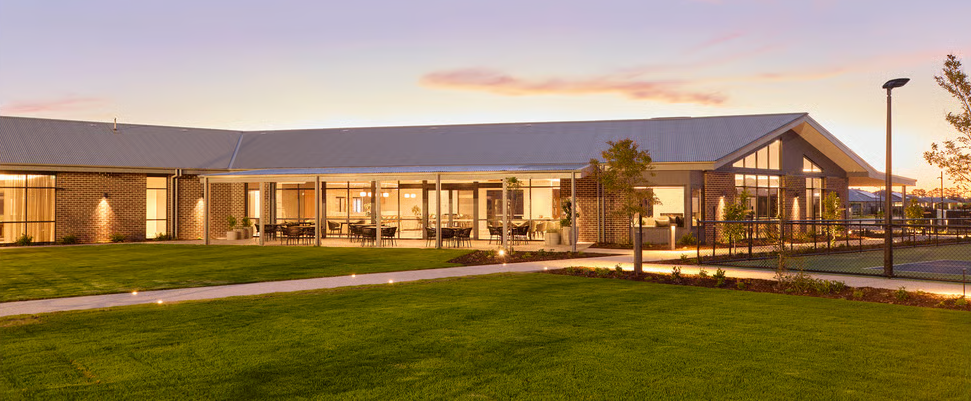
A land lease community is an over-55 housing option where residents own their home but lease the land from a community operator. Popular across Australia, these communities can offer a more affordable alternative to traditional retirement villages or buying another full-priced property. They are designed for independent older Australians wanting to downsize, reduce maintenance and enjoy a lifestyle-focused environment. Many communities include facilitles such as pools, clubhouses, gyms and social spaces.

Unlike some retirement villages, land lease communities often do not charge deferred management fees when homes are sold, although residents usually pay ongoing site tees for community maintenance and shared amenities.


How do land lease communities work?

Land lease communities work by allowing residents to buy their home while leasing the land from a community operator through an ongoing site agreement. Because buyers do not purchase the land itself, entry prices are often lower than traditional home ownership. Residents usually pay regular site fees that help cover shared facilities, landscaping, security and community maintenance, and some may qualify for government rental assistance. Most communities are designed for independent over-55s and focus on low-maintenance, lifestyle-oriented living. Unlike some retirement villages, many land lease communities do not charge large exit or deferred management fees when residents sell their home.

What are the pros and cons of land lease communities?

Land lease communities offer affordable, low-maintenance living for Australians downsizing in retirement, but they also come with important considerations. One major advantage is lower entry pricing because residents buy the home but not the land. Many retirees also value the lifestyle benefits, shared facilities and sense of community. Some communities avoid deferred management fees when homes are sold, which can improve financial flexibility. However, residents still pay ongoing site fees, and capital growth may differ from traditional home ownership because the land is leased. Contracts, rules and fee structures vary between operators, so carefully reviewing costs and agreements before committing is essential.

Articles about Land Lease Communities

Features

Land Lease Communities

Retirement Villages

Ownership

Residents usually own the home but lease the land from the operator

Resident often purchase a leasehold, license or right-to-occupy arrangement

Entry cost

Often lower because land is not purchased

Can include higher entry contributions

Ongoing costs

Regular site fees for community maintenance and facilities

Ongoing maintenance and service fees

Exit fees

Many communities do not charge large deferred management fees

Exit fees or deferred management fees are common

Capital Growth

May differ from traditional property ownership because land is leased

Financial returns vary depending on contract structure

Lifestyle

Focus on independent, low-maintenance living and lifestyle amenities

Similar community lifestyle with social activities and shared facilities

Support services

Generally designed for active, independent over-55s

May offer more established support services and senior living infrastructure

Best suited for

Downsizers seeking affordability, flexibility and lifestyle

Retirees wanting structured retirement living and additional support

Key consideration

Understand site fees, contracts and lease conditions

Review entry, ongoing and exit costs carefully

Land Lease Communities in South Australia

Who are land lease communities best suited for?

Land lease communities are best suited for Australians over 55 who want to downsize, reduce home maintenance and free up equity while maintaining an independent lifestyle. They are popular among active retirees seeking affordable living, social connection and access to shared facilities such as pools, clubhouses and fitness spaces. Many residents value the financial flexibility that comes from selling a larger family home and moving into a lower-cost property. These communities often appeal to people relocating to coastal or regional lifestyle areas. However, retirees focused on traditional property ownership or maximum capital growth may prefer conventional housing instead.

Land Lease Communities in Western Australia

Land Lease Communities in Tasmania

Across 1 Regions

Land Lease Communities in Canberra

Across 1 Regions

Frequently Asked Questions

What exactly is a Land Lease Community?

A Land Lease Community is a residential community where you own your home but lease the land underneath it.

Rather than purchasing a house and the block of land together, you buy the home and pay the community operator an ongoing site fee for the land.

Many communities are designed specifically for people over 50 or 55 and include shared facilities such as swimming pools, clubhouses, gyms, bowling greens, barbecue areas and community gardens.

The big difference is the ownership structure: your home is yours, while the land remains owned by the community operator.

Why are Land Lease Communities becoming popular with downsizers?

For many people, it comes down to a combination of lifestyle, simplicity and affordability.

Because you’re not purchasing the land, the upfront cost of a home can be lower than buying a comparable house and land package in the same area. That may allow some downsizers to free up equity from their existing home.

There’s also the lifestyle factor. Newer communities can feel more like residential neighbourhoods or lifestyle resorts, with facilities and organised activities available if you want them.

Importantly, joining in is generally your choice. You can be as social, or as private, as you like.

Do I have to be retired to live in one?

Not necessarily.

Many Land Lease Communities have a minimum age requirement, commonly 50 or 55, but that doesn’t automatically mean you need to have stopped working.

That can make them interesting for people who want to downsize before retirement, particularly those looking for a lower-maintenance home while continuing to work full-time or part-time.

Age and eligibility requirements vary between communities, so it’s worth checking the rules of the particular community you’re considering.

What ongoing costs should I expect?

The main ongoing cost is usually the site fee, sometimes called site rent, which you pay for the land your home occupies and access to the community’s shared facilities.

You’ll also need to budget for the usual costs of owning and running your home, which may include utilities, insurance and maintenance.

One important question to ask is how site fees can increase over time. Don’t just look at what the fee is today, understand how future increases are calculated and what your agreement says.

Depending on your circumstances, you may also be eligible for government assistance towards site fees, so it can be worthwhile checking what applies to you.

Is a Land Lease Community the same as a retirement village?

No. They can look similar from the outside, particularly when both offer attractive homes, shared facilities and a strong community atmosphere, but the legal and financial arrangements are different.

In a Land Lease Community, you generally own the home and lease the land. Retirement village ownership and occupancy arrangements can take several different forms depending on the village and operator.

The fee structures can also be quite different.

That doesn’t make one model better than the other. It simply means they suit different people. The important thing is to compare the total financial arrangement, lifestyle and long-term flexibility, rather than choosing based on the purchase price alone.

What should I ask before buying into a Land Lease Community?

Start with the lifestyle questions: Can you see yourself living here? Do you like the location, homes, facilities and feel of the community?

Then spend some time on the practical details.

Ask what the current site fee is and how it can increase. Find out what’s included in that fee, what rules apply to renovating or modifying your home, and what happens when you eventually decide to sell.

It’s also worth asking about pets, visitors, parking, community rules and any restrictions that could affect the way you want to live.

And before signing anything, make sure you understand the agreement and consider obtaining independent legal and financial advice.

A Land Lease Community can offer a very appealing way to downsize, but like any major housing decision, the best choice is one you fully understand before you make it.

How do I enquire or book a tour of a Land Lease Community?

08. How do I enquire or book a tour.png

You’re right where you need to be. Start searching, shortlisting and then comparing different Land Lease Communities. Being able to compare operators, locations, home prices, and available amenities. Now you’re ready to book a tour which can be done by selecting the “Book a Tour” button on the property page...

Read more

Land lease vs buying a home: which is better financially?

02. Land lease vs buying a home_ which is better financially.png

Financially, the better option depends on a retiree’s goals, budget and priorities...

Read more

What fees do you pay in a land lease community?

10. What fees do you pay in a land lease community.png

Residents in a land lease community typically pay ongoing site fees...

Read more

Area land lease communities a good investment?

Land lease communities are usually viewed more as a lifestyle and retirement living...

Read more