Latest published

The best state for looking after its retirees

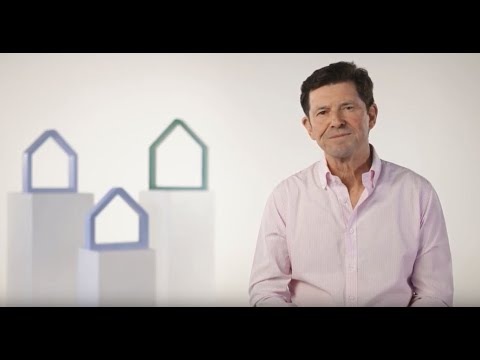
A new analysis of 209 different concessions for retirees provided by state and territory governments has crowned Western Australia as the overall champion for looking after its pensioners and self-funded retirees.The analysis, by financial planning and retirement specialist Later Life Advice, found concessions can vary dramatically between states and effectively deliver seniors tax-free payments of up to $3000 annually.Senior card benefits per state Later Life Advice founder Brendan Ryan (pictured) said WA had the best mixture of concessions and was “particularly generous to self-funded retirees holding a Commonwealth Seniors Health Card or a WA Seniors Card”.Eligibility for the Commonwealth Seniors Health Card is much less restrictive than the age pension assets and income tests. It is available for seniors over the age of 67 and has no assets test, while its current maximum income threshold is $101,105 for singles and $161,768 for couples combined.“While most states restrict primary cost-of-living concessions strictly to pensioners, Western Australia stands out nationally because it extends high-value energy, water, and council rates rebates to self-funded retirees,” Brendan said.These included a $342.85 annual energy assistance payment, up to $600 a year of water rebates, and up to $750 of council rate rebates annually, while people who held the WA Seniors Card – without an age pension or CSHC – still received a 25 per cent water rebate and free off-peak public transport, he said.“By linking these major concessions to non-pension cards, WA has effectively eliminated the steep benefits cliff that self-funded retirees face in other parts of Australia,” he said.Do you qualify for concession? The second-best state for seniors concessions is Queensland, followed by NSW.In the bottom half of the rankings were the ACT, the Northern Territory, Tasmania and Victoria.“States like Victoria and Tasmania treat concessions strictly as welfare safety nets, restricted to pensioners, whereas higher-ranked states treat them as general seniors benefits,” Brendan said.Experts say that seniors should understand the three-layered support system of pensioner concession cards, the CSHC and state and territory seniors cards.How to get utility discountsBrendan said people should remember to manually link their seniors cards to utility accounts.“Concessions are never applied automatically,” he said.“You must actively contact your electricity, gas, water, and local council providers to register your card details and customer reference number.”Retirees should understand the strict work limits around seniors cards in some states “that will cancel your card if exceeded”, he said.“However, the CSHC has no work hours test”“As long as your total income – wages plus deemed super – stays under the CSHC threshold, you can work full-time and still receive major CSHC-linked concessions like the energy and water rebates in WA or the energy rebate in NSW.”He added seniors concessions acted as “a vital shock absorber against essential service price rises” such as water, electricity and public transport, which consistently outpaced the inflation indexing of the age pension.“They function exactly like a tax-free payment of $2000 to $3000 – for a single that’s about 10 per cent of the maximum age pension rate, and more if safety nets like Medicare and the PBS are taken into account,” he said. Return to Newsletter


A

By Anonymous

Published on June 11, 2026

Mother and daughter move into thriving lifestyle estate

Mother-daughter duo Kerryn and Jodi Quiqley moved into land lease operator Lincoln Place’s Officer Lifestyle Estate, in the suburb of Melbourne.After visiting friends who had already joined the community the pair decided to make the move and quicky fell in love with the community.Jodi, 51, was initially unsure of how she would fit in as a younger resident, but those concerns quickly disappeared.“In our first two weeks, people were checking on us to see how we were settling in and if we needed anything, and that’s something we’ve carried on as well,” Jodi said.“We’ll check on our neighbours, have a coffee and a chat or give them a hand with chores if they need. It’s a lovely community and we all look out for each other.” The pair are commonly referred to as the ‘unofficial welcoming committee’, helping new residents enjoy everything the estate has to offer, from bingo nights at the on-site clubhouse to a cup of coffee and a chat on the front lawn.“We’ll sometimes have new people knocking on our door and introducing themselves, saying that their friends or neighbours suggested they meet us, and we’re always happy to see them,” Kerryn said.“It can be really overwhelming when you move into a community, especially if you’re moving alone or if you’re older and have lived in the same place for a long time, so we just try and make them feel as welcome as possible and help them with anything they need.“We aren’t in each other’s pockets all the time, we’re able to do our own things and come together when we want. There are so many different activities that if something isn’t for you, there’s something else that you can get involved in.”Just four homes remain at Lincoln Place’s Officer Lifestyle Estate, with more than 95 per cent of homes now sold Return to Newsletter


A

By Anonymous

Published on June 11, 2026

Not for Profit to plant a tree for every new resident from 1 July

Bolton Clarke has expanded its support for Brisbane-based social enterprise Reforest with a new initiative contributing to the restoration of one of Queensland’s most endangered forest ecosystems.The initiative, launched to mark World Environment Day on 5 June, will fund planting of a tree for every new resident welcomed into Bolton Clarke retirement living communities from 1 July.It supports the Mabi Forest Restoration project on the Atherton Tablelands in Far North Queensland — one of the most endangered forest ecosystems in the state. Once cleared for agriculture and forestry, the land is now being carefully revegetated with endemic Mabi Forest species using best-practice restoration techniques. Bolton Clarke Director of Operations Retirement Living, Jon Kirkman (pictured), said the decision to work with Reforest reflected a growing focus on sustainability among residents, who wanted to be part of positive change.“Partnering with Reforest is a simple, practical way we can bring our sustainability commitment to life,” he said.“We’ve already planted 193 trees in the Mabi forest this year – contributing to the restoration of 731 square metres of land – to recognise the contribution of every member of our retirement living team and the people who support them.“Now, from July 1, we will build on that by planting a tree for every new resident who chooses to become a part of one of our vibrant retirement living communities across Australia.“Each tree will help restore cleared land on the Atherton Tablelands using native species and proven restoration methods, rebuilding habitat for wildlife including species such as the Lumholtz’s tree kangaroo and strengthening the landscape for the future.“It’s a small action, but an important one – a practical commitment that connects each new beginning with a lasting legacy.”A Reforest spokesman said Bolton Clarke’s commitment through the project to celebrating residents in a way that also restored nature was a powerful example of how organisations could create meaningful local impact to benefit communities and the environment.Bolton Clarke’s retirement village residents are also making an impact after the announcement in March of a first of its kind statewide partnership with Containers for Change, with collection points installed across the organisation’s Queensland retirement villages.The initiative has diverted more than 6,500 containers from landfill since installation of the first collection points in March, with the roll-out now complete statewide. Return to Newsletter


A

By Anonymous

Published on June 11, 2026

Meet Our People

Retirement

See all

The best state for looking after its retirees

A new analysis of 209 different concessions for retirees provided by state and territory governments has crowned Western Australia as the overall champion for looking after its pensioners and self-funded retirees.The analysis, by financial planning and retirement specialist Later Life Advice, found concessions can vary dramatically between states and effectively deliver seniors tax-free payments of up to $3000 annually.Senior card benefits per state Later Life Advice founder Brendan Ryan (pictured) said WA had the best mixture of concessions and was “particularly generous to self-funded retirees holding a Commonwealth Seniors Health Card or a WA Seniors Card”.Eligibility for the Commonwealth Seniors Health Card is much less restrictive than the age pension assets and income tests. It is available for seniors over the age of 67 and has no assets test, while its current maximum income threshold is $101,105 for singles and $161,768 for couples combined.“While most states restrict primary cost-of-living concessions strictly to pensioners, Western Australia stands out nationally because it extends high-value energy, water, and council rates rebates to self-funded retirees,” Brendan said.These included a $342.85 annual energy assistance payment, up to $600 a year of water rebates, and up to $750 of council rate rebates annually, while people who held the WA Seniors Card – without an age pension or CSHC – still received a 25 per cent water rebate and free off-peak public transport, he said.“By linking these major concessions to non-pension cards, WA has effectively eliminated the steep benefits cliff that self-funded retirees face in other parts of Australia,” he said.Do you qualify for concession? The second-best state for seniors concessions is Queensland, followed by NSW.In the bottom half of the rankings were the ACT, the Northern Territory, Tasmania and Victoria.“States like Victoria and Tasmania treat concessions strictly as welfare safety nets, restricted to pensioners, whereas higher-ranked states treat them as general seniors benefits,” Brendan said.Experts say that seniors should understand the three-layered support system of pensioner concession cards, the CSHC and state and territory seniors cards.How to get utility discountsBrendan said people should remember to manually link their seniors cards to utility accounts.“Concessions are never applied automatically,” he said.“You must actively contact your electricity, gas, water, and local council providers to register your card details and customer reference number.”Retirees should understand the strict work limits around seniors cards in some states “that will cancel your card if exceeded”, he said.“However, the CSHC has no work hours test”“As long as your total income – wages plus deemed super – stays under the CSHC threshold, you can work full-time and still receive major CSHC-linked concessions like the energy and water rebates in WA or the energy rebate in NSW.”He added seniors concessions acted as “a vital shock absorber against essential service price rises” such as water, electricity and public transport, which consistently outpaced the inflation indexing of the age pension.“They function exactly like a tax-free payment of $2000 to $3000 – for a single that’s about 10 per cent of the maximum age pension rate, and more if safety nets like Medicare and the PBS are taken into account,” he said. Return to Newsletter


A

By Anonymous

Published on June 11, 2026

The savings retirement villages units and land lease homes achieve

The cost of living in a two-bedroom independent living apartment in a retirement village, or two-bedroom house in a land lease community, is far less than living at home.Operators are making their homes superefficient, and we look at Ingenia Lifestyle Springside, an Over 50s land lease community, in Beveridge, a town 37km north of Melbourne’s CBD.The lifestyle resort is Australia’s first land lease community to achieve dual sustainability recognition – a 4 Star Green Star Communities rating and Green Star Homes Design certification.At time of publication, 40 homes have Green Star Homes As-Built certification, with a further 12 in the process of achieving the certification, making Ingenia Communities the only group developer to have built green star homes at this at scale.The 52 homes to be built in the Green Star Homes precinct will achieve As Built certification and will provide a range of qualitative and quantitative benefits for residents, including:Healthier indoor environments through low-toxicity materials and filtered ventilation systems;Better comfort and air quality through airtightness and thermal control;Energy resilience via battery-provisioned homes and clubhouses;Improved resident wellbeing, with access to nature, local food, shared mobility and a strong community fabric;Elevated community pride and awareness through Green Star certification and ongoing education via the Ingenia Lifestyle resident app.Living in a Green Star Home can reduce your grid energy use by 22% and water use by 48%, saving you approximately $2,066 on annual household bills compared to an original 30-year-old gas home. Plus, it can reduce your carbon footprint by 100% – that’s equal to avoiding four local return car trips a day! During February, The Weekly SOURCE reported 40 homes were complete in Stage 1, with a further 11 homes under construction in Stage 2. “The project has provided valuable insights into how sustainability initiatives can be delivered at scale while supporting resident wellbeing, comfort, and energy affordability,” Ingenia Communities said.“Lessons from the Green Star Homes precinct are informing Ingenia’s broader sustainability approach across future developments. Looking ahead, Ingenia remains committed to exploring and piloting innovative sustainability initiatives where appropriate.”A three-bedroom, two-bathroom Alpine Green home in Ingenia Lifestyle Springside is for sale from $578,000. Return to Newsletter


A

By Anonymous

Published on May 14, 2026

Land lease communities attract people from near and far

The ASX-listed Over 50s developer GemLife has had a look at where the residents in its boutique Rockhampton community GemLife on Dean have come from and why.Buyers are making the move from across Central Queensland, the Callide Valley, Isaac region, Southern Downs and Far North Queensland to the $32 million Over 50s lifestyle resort in the city suburb of Berserker.While local purchasers are still leading the charge, the growing trend towards rural buyers signifies a shift in the market, with people like GemLife on Dean future resident Peter Limpus seeking social connection after living in a rural community long-term.Peter, 63, hails from the rural town of Biloela, population 5,692. He said moving 143km to GemLife on Dean will bring a welcome change of lifestyle.“I’ve lived in Biloela my whole life, and after my elderly parents passed away, I decided I wanted a change of scenery, as rural living can be isolating, with limited amenities and public transport,” he said.“My sister lives in Rockhampton, so I wanted to move closer to family and find a place within easy reach of everything in town.“When I came across GemLife on Dean, I was sold. I liked everything about it – the location, security, and the sense of community. I’ve heard the phrase ‘no strangers here, just friends we haven’t met’ and thought that could apply to living at On Dean.“The inclusion of a clubhouse with a pool, gymnasium and recreational facilities provides the opportunity to meet new people and forge friendships with my neighbours.“My plan is to move to GemLife on Dean mid-year once I finish up work in Biloela and use my free time as a retiree to volunteer and give back to my new community, which will also help me expand my social network.“I’m really looking forward to a whole world of new opportunities opening up in this next chapter of life.”GemLife Managing Director and Group CEO Adrian Puljich said making new social connections was an important part of the downsizing journey, and GemLife on Dean had been designed to foster community spirit. “We are seeing more downsizers choosing to relocate, whether it’s to be closer to family, for financial reasons or a lifestyle change,” he said.“That’s why GemLife on Dean has its own clubhouse, complete with a range of resort-style amenities to encourage residents to come together for activities and events.“We’ve also designed our homes to be private and low maintenance, while providing space and storage to welcome visitors and entertain family and friends.“Pets are welcome, which helps with the transition and often provides a great ice breaker when people take their four-legged friends for a walk through the community.” GemLife on Dean will boast 5,000sqm of resident facilities, including a clubhouse, outdoor pool with sundeck, gym, hall and bar, pickleball court, barbeques, dog run, and RV parking. Its clubhouse is due to open before the end of the year.The community’s 57 homes each feature two bedrooms plus a multi-purpose room with a private alfresco or front porch.More than $19.86 million in homes have already sold, with demand fuelled by the limited opportunity to break into the Rockhampton market, said Adrian.“Property in Rockhampton is tightly held, and available stock is selling fast, with more than $12 billion in major projects in the pipeline across the region,” he said.“It’s the economic heart of Central Queensland, blending the best of country and urban living, making it a popular choice for those moving from rural properties.”The final release of 22 homes is now selling, priced from $645,000. Return to Newsletter


A

By Anonymous

Published on May 14, 2026

Health

See all

Holiday spot to become home for retired doctor

Burnett Heads, a coastal town in the Bundaberg Region, has long been a favourite holiday spot for Dr Martin and Lindy D’Arcy.It is a place where lifelong friendships have grown, caravans have gathered and good times have been treasured traditions. Soon, it will be their home. After years of holidaying in the charming coastal town, the couple knew they had found somewhere special. When they discovered the $323 million GemLife Lighthouse Bay, close to the places and people they already loved, the decision felt like a natural next step.“There’s always a full tribe at the caravan park at Burnett Heads with our good friend Dr Neil,” Dr Martin said.“He and his wife Sharon have five children. Three members of their family have already moved to the Bundaberg region, including Neil’s identical brother John, who is also a doctor.“Dr John has been a long-standing GP in Childers, and his other son David is a GP in Bundaberg. Keeping it all in the tribe, son Luke is a firefighter who lives right next door to GemLife Lighthouse Bay!” Currently living in Ningi near Bribie Island, Dr Martin and Lindy are preparing for a new chapter after remarkable careers in healthcare spanning more than 45 years. Dr Martin worked as an obstetrician and gynaecologist, while Lindy built a career as a midwife, supporting families through some of life’s most important moments.The couple met in the UK, where Lindy was a midwife on the special care baby unit in Wolverhampton and Martin had just arrived in England to further his medical training.“We met over an incubator,” Dr Martin joked.One career highlight was working at the historic St Bartholomew’s Hospital, affectionately known as Bart’s, recognised as the oldest hospital in Britain.With a move to sunny Queensland, Dr Martin started as public specialist at Redcliffe and Caboolture Hospital. It was here that he met colleague Dr Neil, forming a close bond of friendship. After a decade in teaching and assessing training registrars, both then transitioned to private practice in Brisbane.“He and Sharon live in Redcliffe, but also have a holiday home at Burnett Heads,” he said. “I’m sure I’ll be able to persuade him to spend even more time up north, knowing about the resort facilities at GemLife Lighthouse Bay. “The couple first heard about GemLife through friends at Bribie Island.“Lindy is a member at Woorim Golf Club, and a lot of the members there live at GemLife Bribie Island,” Dr Martin said.“So, we’ve heard plenty about the quality of the homes and the lifestyle people enjoy.”For Dr Martin, maintaining an active and connected lifestyle remains incredibly important. He manages Parkinson’s disease symptoms through physiotherapy and the PD Warrior exercise program and still enjoys regular games of table tennis through U3A in Beachmere.“I picked up the sport at university and played in regional competitions,” he said. “I don’t move so well anymore but I still have the knack!”Looking ahead, Dr Martin and Lindy are excited about building new friendships and continuing the hobbies they love. A future table tennis group is firmly on Dr Martin’s wish list, along with finding fellow book lovers to start a book club.“The Moreton Bay mobile library visits once a month with books for our group,” he said.“Then we get together the next month to return them and chat about what we thought. And if there isn’t an interesting new release, we simply pick our own topic instead.”Travel also remains part of their plans.“We still have our caravan,” Dr Martin said. “There are definitely more holidays planned.”   Return to Newsletter


A

By Anonymous

Published on June 10, 2026

10 simple ways to boost your longevity

Australians are living longer, healthier lives. In the last 100 years, the life expectancy of Australians has increased by 20 years. Australians are living longer, healthier lives. In the last 100 years, the life expectancy of Australians has increased by 20 years.Now Australia has 3700 people aged over 100. By 2050, Australia will have over 50,000 people aged 100 and over. For seniors, this means more years of being active and being a valuable part of the community, states the Australian Government’s Treasury Department.If people are living longer, they need to be healthy.Associate Professor Salvador Macip Maresma, University of Leicester, England, who researches the molecular aspects of ageing, was part of a large cohort of Spanish scientists involved in studying Maria Branyas Morera (main photo), the world’s oldest person until she died in August 2024, aged 117.“We jumped at the opportunity to study the oldest person alive,” Maresma said. “When the researchers first met Maria she was 116 years old and she was very generous with her time and samples for us.”The scientists analysed Maria’s blood, saliva, urine and stools, lifestyle and mindset for a study published in Cell Reports Medicine.Maria was clearly a winner in the genetic lottery – many gene variants have been associated with protection against common diseases from dementia and heart disease to cancer.“Most of these people age in a different way to the rest of us,” Maresma said. “In general ageing is more linear, meaning we progressively decline, but super-centenarians are very well for a very long time and then suddenly decline, so they are in fact very active until very late on.”The length and athletic life of Emma Maria Mazzenga, a 92-year-old from Padua in Italy, who holds four world records at sprinting for women in their nineties, is the subject of another in-depth study, the results of which are about to be published by a team from Italy and the University of Wisconsin’s department of geriatrics and gerontology.Measurements have revealed that Mazzenga’s lifelong exercise regimen has left her with the cardiorespiratory fitness of someone in their fifties and with the muscle health of a 20-year-old.“She displays a high proportion of fast-twitch fibres, important for speed, and remarkably large and well-vascularised slow-twitch fibres, important for endurance, which is rare in someone in their tenth decade of life,” Assistant Professor Christopher Sundberg, lead researcher at Wisconsin, said.Detailed analysis of her mitochondria, the “powerhouses” of muscle cells that produce the energy needed for movement and to delay fatigue, revealed them to be “exceptionally” well maintained.“Preserving mitochondrial health is crucial since it supports energy production, mobility and resilience, all of which contribute to healthier ageing,” Sundberg said.“The findings support recent research showing that mitochondrial oxidative capacity is highly sensitive to inactivity but can be largely maintained with regular physical activity.”Scientists believe these insights are helping to unravel the mystery of longevity.“To get to 117 you do need good genes, there’s no debating that,” Maresma said.“But to reach age 90 or 100 in good condition might be more of a balance of genes and things you do in everyday life to stay healthy.”10 tips to stay healthy as you age Throw away the supplements From injectables such as NAD+, an energy-generating coenzyme that when naturally present in the body encourages our cells to repair themselves, to supplements of Urolithin A, produced by gut bacteria and believed to improve the health of cells, there is no end to pills promising a longer life.“We don’t have any proof that anti-ageing supplements work at all,” Maresma says.“A lot of the things that are being sold as supplements are based on scientific data but only on animals and we just don’t know the dose or the impact in humans.”None of the super-agers scientists studied reached a healthy old age on a cocktail of longevity pills.Exercise regularly Mazzenga (pictured) started running at 19, stopped in her twenties when she started a family and didn’t run again until her early fifties. Not that she has ever been inactive. Crucially she says she rarely spent a day indoors. She now runs up to three times a week and goes for a walk on her off days. It is consistency of activity over the years that the Wisconsin researchers believe has helped her to age so well. Small amounts of exercise done regularly will pay off. Inevitably at 92 she has some normal age-related muscle loss but under examination her “slow-twitch” muscle fibres – the type associated with endurance and the blood flow and nerve pathways to her muscles – “were indistinguishable from a healthy 20-year-old female”. Sundberg said the message is clear. “Regular exercise throughout life can absolutely drive positive changes in muscle health and performance.” Eat yoghurt daily (and tend to your microbiome) Yoghurt was on 117-year-old Morera’s daily menu and researchers think it probably helped her microbiome to flourish and fight off disease.“In terms of habits, this lady was eating three yoghurts a day,” Maresma said.Yoghurt alone won’t extend your life, it is a food that people should consider adding for its overall health benefits. It’s a good source of iodine, vitamins D, B2 and B12 and zinc, as well as protein and calcium, but also provides beneficial bacteria usually in the form of typically Lactobacillus bulgaricus and Streptococcus thermophilus that helps to maintain gut health.Previously scientists studying more than 150,000 people had shown there were lower levels of some types of colorectal cancer among those who ate two or more servings of yoghurt a week as they grew older.Do a variety of exercises Staying active in any form helps prevent diseases and both prolongs and improves the quality of our lives as we age.Anything is better than nothing but the more one mixes things up on a weekly basis, the better the prognosis.“The best approach is likely combining aerobic exercise with strength and sprint or power training to help benefit muscle, the cardiovascular system and overall functional ability,” Marta Colosio, an exercise physiologist, said.“Resistance training is essential for preserving strength and muscle mass, aerobic training supports heart and metabolic health, and some higher-intensity or speed-based work, when appropriate and safely progressed, can help maintain power and mobility.” Try and do balance training most days Muscles are not the only thing we lose as we age. Balance, that we take for granted, begins to go awry.Falls are one of the greatest risks to independence in older adults and balance training is just as important as strength and aerobic training when it comes to maintaining your healthEven octogenarians (and older) who train for competitive sport need to work on balance exercises according to researchers at Manchester Metropolitan University, who found general fitness didn’t stem a decline in balance. It can be something as simple as standing on one leg with eyes closed as you brush your teeth.Communication: keep in touch with friends (and make new ones) Humans thrive on social interaction and Maresma says a key aspect of healthy ageing that is often overlooked is maintaining a good social circle, mixing with people of different ages.“There is a proven biological effect as we see older people without a strong social network go downhill very quickly,” he said.“One of the super-centenarian women I interviewed in Costa Rica told me she was surrounded by young children as a babysitter for her village and that is what kept her mentally and physically active.”Psychologists reporting in Epidemiology and Psychiatric Sciences journal confirmed that from midlife onwards adults with strong social networks were 24% less likely to die prematurely during an eight-year study.Ensure you have sufficient Vitamin DVitamin D helps your body absorb calcium from the food you eat. This is vital for bone development and strength. It also helps control the amount of calcium in your blood.Vitamin D is also important for the health of your:Immune System;Skin;Muscles; and A lack of vitamin D can increase your risk of certain conditions, such as:Osteoporosis;Cancer;type 2 diabetes;high blood pressure; andinfectious diseases, including severe infection with COVID-19.Most people are unable to get enough vitamin D from food alone. In Australia, most people can get enough vitamin D with careful sun exposure.Amazingly, the Australian Bureau of Statistics estimates that just under one in four Australian adults have vitamin D deficiency. Some studies, including one in the American Journal of Clinical Nutrition, suggest that vitamin D could prove a “promising strategy” for countering biological ageing by preserving the length of telomeres, the DNA caps at the ends of chromosomes that protect against cell death.Always try to walk more each day Walking has a powerful impact on ageing and Maresma said most of the super-agers he has encountered clocked up considerable daily steps. Doing so has been shown to amplify blood flow to the brain, with some studies demonstrating that 20 minutes of walking most days from middle age onwards is enough to boost fitness to a level that will lower the risk of dementia.There’s even evidence of a direct link between walking briskly – at a rate of 100 steps per minute or faster – and slower biological ageing.Thomas Yates, a professor in physical activity, sedentary behaviour and health at the University of Leicester, England, found that participants in his studies who were faster walkers had a biological age 15 years younger than those who tend to dawdle. Sundberg makes sure he gets his steps in every day. “Life in academia is mostly sedentary, so we make a conscious effort to use our free time to train, move and keep our bodies strong,” he said. “The goal is to build habits now that will allow us to stay active, healthy and independent well into our later decades.”Enjoy three to four cups of coffee daily Coffee is packed with hundreds of plant components and antioxidants that are beneficial for gut, brain and overall health.Scientists from King’s College London, England, were among those who found coffee to have the greatest benefits on the microbiome, important in itself and key for healthy ageing, of 150 food and drinks tested.A University of Southampton, England, study found that three or four cups of coffee a day could significantly reduce the chance of an early death. Maresma said anecdotal evidence is encouraging:“A centenarian in Spain who died a few weeks ago at 108 told me she was drinking a lot of coffee,” he said. Red wine is not going to help you age well and no alcohol is best action Red wine contains resveratrol, a compound found in grape skins that has antioxidant and anti-inflammatory effects linked to heart health and anti-ageing in lab studies.However, human research shows inconsistent results. A review at the University of Victoria in Canada revealed that many studies have created “misleading positive health associations” for red wine and alcohol. Compared with no alcohol, even moderate intakes have now been shown to have no significant benefits for longevity.“The [ideal] recommendation would be to have no alcohol – much like smoking, it is never good for us,” said Maresma. “The potential benefits of red wine are balanced out by the toxic effects of the alcohol itself. It doesn’t work, unfortunately.”If you want to increase your intake of resveratrol, get it from dark berries, apples, pistachios, peanuts and a few squares of dark chocolate instead.  Return to Newsletter


A

By Anonymous

Published on February 20, 2026

Seniors Exercise Parks are taking off

With the population ageing, there are some great initiatives taking place.Being physically active is great for your body and mind and exercise parks built specifically for seniors are increasing.The latest Seniors Exercise Park, which supports gentle exercise and activity, is in Simmons Park, Lindisfarne, 6km from Hobart’s city centre in Tasmania.The Seniors Exercise Park has been built and designed to enable seniors to build on and rediscover the joy of movement, the benefits of being outdoors, the positive impacts on mental health, and social connections. The equipment ranges from balance beams, stairs, pull up bars and core twisters through to finger stairs, pedal benches and basic step-up equipment. It is designed for strength, balance, co-ordination and functional, mobility and flexibility. This project was funded from a state government election commitment in 2021 and built in consultation and guidance from Clarence City Council’s Positive Ageing Working Group, formerly the Positive Ageing Advisory Committee (CPAAC).Where are the Seniors Exercise Parks?The majority are in Melbourne:Andrew Pocket Park, Eltham, 20km northeast of the CBD;Barry Road Community Activity Centre, Thomastown, 16km north of the CBD;Bent Street Reserve, Westmeadows, 16km northwest of the CBD;Carrington Seniors Exercise Park, Knoxfield, 27km east of the CBD;Central Park Community Centre, Hoppers Crossing, 24km southeast of the CBD; Chittick Park, Seymour, 104km north of the CBD;Coburg Senior Citizens Centre, Coburg, 8km north of the CBD;Donald McLean Reserve, Spotswood, 7km southeast of the CBD;The Elms Reserve, Kilmore, 65km north of the CBD;Ivanhoe Park, Ivanhoe, 9km northeast of the CBD;Liscombe House, St Helena, 21km northeast of the city; Laurence Park, Lara, 18km northeast of the CBD;Thomas Street Reserve, Hampton, 14km southeast of the CBD;Victoria Park, Kew, 5km east of the city; and Wingham Park, Frankston, 54km southeast of the CBD.There are also two in Ballarat, the city 110km northwest of Melbourne’s CBD: Mount Pleasant Reserve and M R Power Reserve, Sebastopol.There is one in NSW: Uniting War Memorial Hospital, Waverley, 7km east of Sydney’s CBD, and the one in Hobart, Tasmania.


A

By Anonymous

Published on December 5, 2024

Reducing risk of Alzheimer’s Disease in families

It is estimated more than 55 million people worldwide live with Alzheimer’s Disease and other forms of dementia. Sadly, the number continues to grow.Dementia Australia states Alzheimer’s Disease is a physical brain condition resulting in impaired memory, thinking and behaviour, as a person’s abilities deteriorate over time.There is no cure for Alzheimer’s Disease, but the condition can be managed and some symptoms can be treated.Dr Ronald Petersen, director of the Mayo Clinic Alzheimer’s Disease Research Center, said Alzheimer’s Disease, like many other conditions, can be passed down through families.“In terms of family traits, Alzheimer’s Disease has two main types. There’s one form that’s truly inherited in what’s called an autosomal dominant fashion,” he said.In this type, each child of a parent with Alzheimer’s has a 50% chance of inheriting the mutated gene which leads to early-onset Alzheimer’s, but that is only 1% of all Alzheimer’s Disease.“The vast majority, though, still has some hereditary influence. Like many other diseases, Alzheimer’s disease can run in families. If you have first-degree relatives with Alzheimer’s disease, your risk may be up three or fourfold over the general population,” Dr. Petersen said.While the risk increases, it doesn’t mean you’ll develop the disease.Dr Petersen said to stay involved in intellectual activities, such as reading and playing chess.Be socially active“Don’t withdraw. Don’t avoid going out. Stay involved,” said Dr Petersen.Follow a healthy diet, get plenty of rest and find ways to reduce stress.“The combination of all these factors may improve your quality of life, and perhaps could postpone any cognitive impairment,” he concluded.


A

By Anonymous

Published on November 21, 2024

Money

See all

Another retirement village operator raises money for charity

It is amazing what can be achieved with a little foresight.Oak Tree Retirement Villages Coffs Harbour is still under construction. There are now 13 villas with 25 residents, a community centre and an energetic Village Manager Michelle Oxley-Chambers.Despite its small size, the community has raised $2,621 under Michelle’s guidance by staging a Spring Fashion Parade with all money raised going to the registered charity Pink Silks.The photo shows Michelle (left) handing the cheque over to Pink Silks Founder and Chair Tanya Johnson.She networked with her colleagues at Oak Tree Retirement Villages Armidale and Goonellabah and the money was raised through selling tickets for $30 and a raffle.It was the retirement village’s second Spring Fashion Parade and, again, a sellout.“There were the most beautiful new spring fashions, shoes and accessories showcased by Jacqui’s Fashion Boutique – one of the most long-standing fashion houses in Coffs Harbour and adored by all,” Michelle told News of the Area.To add a festival spirit, there were stalls set up from local businesses Orara Valley Produce, Jelly Joy Skincare, Chocolate Dr, Bliss By Lis and Jacqui’s.“While it was a lot of work, to see everyone having such a wonderful time was very rewarding,” Michelle said.“It’s brilliant to be able to donate money to the Pink Silks, who know themselves how rewarding it is to host successful events like this.”There were multiple raffle and lucky door prizes on offer, donated by Emerald Island Distillery, along with some of the stall holders, Red Sparrow Tea Company, Oak Tree Retirement Village, and Michelle herself.


A

By Anonymous

Published on November 7, 2024

Making best use of the gifting rules

A very popular question when looking to retire is: how much can I gift without Centrelink stepping in? There are likely to be family members to think of, or perhaps you want to help financially if someone dear suffers a misfortune. The answer is gift as much as you like. Services Australia only allows people to reduce their assessable assets by $10,000 per annum and a total of $30,000 over any five consecutive years. Anything in excess of these limits is classified as a deprived asset for five years, meaning it remains listed in your name for means testing purposes. It’s important to note that gifting above the allowable thresholds will not negatively impact a person’s Centrelink eligibility or payment. Rather, these rules prevent the person from gifting significant assets to increase pension entitlements. The gifting threshold is the same for both single individuals and couples; couples do not receive a per-person threshold. What is a gift? Gifting money directly Selling an asset to someone for less than its market value – for example, giving a new car to your daughter for a nominal $1,000 Paying for something on behalf of someone Putting money into a family trust you do not control, or Making excessive donations to an institution Selling a houseServices Australia may include a gifted amount in your income and assets tests.For example, you own a property worth $380,000. But you sell it to your child for $200,000. Services Australia would assess the $180,000 difference as a gift.In some cases, Services Australia won’t include it in your income and assets tests. For example, you own a house valued at $380,000. You sell it for $350,000 on the open market. This is because it was the best offer on that date and you didn’t think it was a good idea to wait for a higher offer due to circumstances. The information provided is for informational purposes only and should not be construed as financial, investment, or legal advice.  Always consult with a qualified financial advisor or legal professional before making any investment decisions.


A

By Anonymous

Published on August 29, 2024

The things you must know if considering retirement living

The age a person is legislated to enter a retirement village is 55, yet the expected retirement age for men in Australia is 66.2 years, the highest since 1972, and 64.8 years, the highest since 1971, for women.The latest Property Council PwC Retirement Living Census shows the average age of people moving into a village is 75 years. The average age of current retirement village residents is 80, with only 3% aged between 65 and 74. If entering a village, the average length of stay has increased to nine years. The 2015 Census reported the average stay of village residents was seven years.A factor will be that the number of retirement villages providing home care has increased markedly to 61%, compared to 46% 12 months earlier. This is delaying the entry into residential aged care. Contracts76% of resident contracts are either lease (44%) or licence (32%) contracts with strata/freehold contracts and rental contracts each 5%.A little over half of retirement village contracts (excluding rental) have an exit fee based on the purchase price and don’t share capital gain or loss with the resident.26% of contracts have the exit fee based on the outgoing price, sharing capital gain/loss with the resident and 17% base the exit fee on the purchase price and share capital gain or loss.65% of contracts accrue the Deferred Management Fee within six years with 85% of exit fees being 35% or lower.Retirement village contracts that give residents some or all of the capital gain often require the resident to meet some or all of the costs associated with achieving it, including renovations, marketing expenses and selling fees. The biggest cost is normally renovation work.The census showed that 57% of renovations for homes in a retirement village more than 15 years old cost at least $40,000 with 28% exceeding $80,000.The average purchase price of a two-bedroom home in a retirement village jumped by 8.3% to $559,000.The census states homes in villages are around 57% of the median house price in the same postcode but it is an unfair comparison, given that exit fees don’t apply to other homes and most homes in retirement villages are apartments or villas.A growing number of retirement villages offer payment options enabling residents to pay their management fee when they leave, when they move in (for a discount) or paying no management fee at all (for a higher purchase price). The census did not capture data on the range of payment options in the market.Important informationOperators can ask residents to pay a maximum of $50 towards the cost of preparing a contract. Prospective residents must be given a copy of their proposed contract at least 14 days before signing it. Prospective residents are advised to get independent legal and financial advice before signing the contract. If a resident changes their mind after entering a village contract, they can end the contract during the cooling-off or settling-in period.


A

By Anonymous

Published on August 1, 2024

Lifestyle

See all

Mother and daughter move into thriving lifestyle estate

Mother-daughter duo Kerryn and Jodi Quiqley moved into land lease operator Lincoln Place’s Officer Lifestyle Estate, in the suburb of Melbourne.After visiting friends who had already joined the community the pair decided to make the move and quicky fell in love with the community.Jodi, 51, was initially unsure of how she would fit in as a younger resident, but those concerns quickly disappeared.“In our first two weeks, people were checking on us to see how we were settling in and if we needed anything, and that’s something we’ve carried on as well,” Jodi said.“We’ll check on our neighbours, have a coffee and a chat or give them a hand with chores if they need. It’s a lovely community and we all look out for each other.” The pair are commonly referred to as the ‘unofficial welcoming committee’, helping new residents enjoy everything the estate has to offer, from bingo nights at the on-site clubhouse to a cup of coffee and a chat on the front lawn.“We’ll sometimes have new people knocking on our door and introducing themselves, saying that their friends or neighbours suggested they meet us, and we’re always happy to see them,” Kerryn said.“It can be really overwhelming when you move into a community, especially if you’re moving alone or if you’re older and have lived in the same place for a long time, so we just try and make them feel as welcome as possible and help them with anything they need.“We aren’t in each other’s pockets all the time, we’re able to do our own things and come together when we want. There are so many different activities that if something isn’t for you, there’s something else that you can get involved in.”Just four homes remain at Lincoln Place’s Officer Lifestyle Estate, with more than 95 per cent of homes now sold Return to Newsletter


A

By Anonymous

Published on June 11, 2026

Not for Profit to plant a tree for every new resident from 1 July

Bolton Clarke has expanded its support for Brisbane-based social enterprise Reforest with a new initiative contributing to the restoration of one of Queensland’s most endangered forest ecosystems.The initiative, launched to mark World Environment Day on 5 June, will fund planting of a tree for every new resident welcomed into Bolton Clarke retirement living communities from 1 July.It supports the Mabi Forest Restoration project on the Atherton Tablelands in Far North Queensland — one of the most endangered forest ecosystems in the state. Once cleared for agriculture and forestry, the land is now being carefully revegetated with endemic Mabi Forest species using best-practice restoration techniques. Bolton Clarke Director of Operations Retirement Living, Jon Kirkman (pictured), said the decision to work with Reforest reflected a growing focus on sustainability among residents, who wanted to be part of positive change.“Partnering with Reforest is a simple, practical way we can bring our sustainability commitment to life,” he said.“We’ve already planted 193 trees in the Mabi forest this year – contributing to the restoration of 731 square metres of land – to recognise the contribution of every member of our retirement living team and the people who support them.“Now, from July 1, we will build on that by planting a tree for every new resident who chooses to become a part of one of our vibrant retirement living communities across Australia.“Each tree will help restore cleared land on the Atherton Tablelands using native species and proven restoration methods, rebuilding habitat for wildlife including species such as the Lumholtz’s tree kangaroo and strengthening the landscape for the future.“It’s a small action, but an important one – a practical commitment that connects each new beginning with a lasting legacy.”A Reforest spokesman said Bolton Clarke’s commitment through the project to celebrating residents in a way that also restored nature was a powerful example of how organisations could create meaningful local impact to benefit communities and the environment.Bolton Clarke’s retirement village residents are also making an impact after the announcement in March of a first of its kind statewide partnership with Containers for Change, with collection points installed across the organisation’s Queensland retirement villages.The initiative has diverted more than 6,500 containers from landfill since installation of the first collection points in March, with the roll-out now complete statewide. Return to Newsletter


A

By Anonymous

Published on June 11, 2026

“They say age is irrelevant” in a land lease community

Chris Edwards signed the contract to move into GemLife Gold Coast at the age of 48.He and his wife Julie moved in four years later, in February 2025, and they are among the growing number of homeowners in Over 50s land lease communities who still work.Chris and Julie work night shifts – Chris in warehouse automation robotics and Julie as a personal carer.They somehow fit in early morning or late afternoon 1km swims and are currently participating in ReachOut’s Laps for Life charity event.“We sleep well at night,” Chris smiled.“Sometimes it’s good to go back to work for a rest.”Since moving from Redlands Shire, where they had lived for nearly 30 years, the couple say their social circle has grown enormously.“Here everyone helps everyone,” Julie said. “You can always count on a neighbour.”The couple fully embrace the active lifestyle available at GemLife Gold Coast including the $22.9 million clubhouse with rooftop sky lounge and infinity pool.Before it opened in August last year, Chris and Julie created their own fitness routine, tackling five-kilometre walks to Coomera Springs and back, often joined by other early risers along the way.Now that the Country Club is open, they’re making up for lost time. Swimming, ten-pin bowling, lawn bowls, pickleball, billiards, table tennis, mahjong, dance fitness classes – and soon line dancing – fill their days.“If we’re not eating or swimming, we’re at the Country Club playing some sort of sport,” Chris said. Conveniently, it’s just 202 metres from their front door.Both are lifelong sports lovers who do everything together. Julie swam competitively as a teenager and later played netball, touch football, and tenpin bowling. Chris grew up enjoying swimming, surfing, cricket, and rugby. Now, with world-class facilities under one roof, they’re expanding their repertoire.“We spent a fortune on lawn bowls gear,” Chris admitted. “But to be honest, we’ve got all the gear and no idea what we’re doing.”Luckily, they’re learning from experienced neighbours. “All the coaching is in-house,” Julie said. “Residents give up their time to help us learn. It’s incredible.”“No one is old … it’s just a number,” Julie said. “There are people here older than us who would run rings around us.”Community is what truly sets resort life apart. The Edwards first formed close friendships with several couples on a 2018 cruise to China, and now they all live in the same street at GemLife Gold Coast.They are preparing for this year’s GemLife Games, being hosted at their resort for the first time. Both have nominated for swimming, with Julie adding ten-pin bowling and Chris eyeing pickleball.“We can’t wait to meet residents from other resorts,” Julie said.Married for 15 years and together for 20, the couple credit their shared passions for their happiness. With no yard maintenance, the freedom to lock-up and leave for cruising adventures, and a full activities calendar, life feels brand new.“We don’t watch TV,” Chris said. “We just keep doing us!” Return to Newsletter


A

By Anonymous

Published on April 16, 2026

NSW Seniors Festival: Mural at Garden Village more than a painting

The NSW Seniors Festival, which was held last month, celebrated the role and contributions of older adults to their local communities, with various events across the state celebrating the theme Live Life in Colour.The centrepiece of the festivities at Garden Village, the Not For Profit operator of retirement living, aged care, home care and disability support, in Port Macquarie, on the NSW mid-North Coast, was a butterfly-inspired mural by award-winning local artist Brad Collins.The work now graces a busy laneway between the Op Shop, Garden Villages’ Café and Men’s Shed. The mural honours past residents while celebrating the connection the community shares with nature and place.“Arts Mid North Coast connected me to Garden Village, and it’s been amazing to collaborate on an initiative that brings generations together through art,” said Brad, who enjoyed the opportunity to interact with residents throughout the creative process.Auxiliary President and resident Cheryl Pearson welcomed the mural.“The butterfly mural brings a fresh burst of creativity to the village, it’s wonderful to see this project come to life,” Cheryl said.Activities included painting miniature Hello Koalas, photo opportunities with the iconic much loved Flying Fife from the famous Hello Koala Sculpture Trail, and adding brushstrokes to the butterfly mural and Monet-inspired Virtual Reality from SilVR Adventures.  Live music from local band Ruby Blunt kept everyone entertained and dancing with a sausage sizzle for nearly 100 residents. Port City Bowling Club contributed generous funding to make the intergenerational program possible.“This wonderful initiative aligns with our core values of creating stronger community bonds, bringing generations together to create connections and shared learning experiences,” said Operations Manager Katy-Lee Waldron.The program also received grant funding from the NSW Seniors Festival Grants and Australia Post Community Grants. As part of an intergenerational partnership, students from Heritage Christian School visited the village. Casey Baldwin. from Intergen Connect, reflected on the day:“It’s wonderful to see older generations sharing their stories and wisdom with younger ones. Through art, activities, and storytelling, we create connections that last a lifetime,” Casey said.The event marks the latest milestone in a program that has already earned local and national recognition.Garden Village, SilVR Adventures and Intergen Connect were honoured to receive a Future of Ageing Award in 2025 for the Virtual Voyagers Virtual Reality Program.“Winning the award in Sydney was amazing, and we are thrilled to take this program to a new level with creative ageing elements, thanks to involvement from local artists and the Hello Koalas,” said Joanna McNamara, Garden Village Communications and Engagement Manager. Return to Newsletter


A

By Anonymous

Published on April 16, 2026

After 39 years living on a farm, this couple took their daughter’s advice

When farmer Phillip Gant suffered two massive strokes in 2022 and his wife Ann had to help care for him and tend to the animals and gardening on their 14-hectare property, their daughter had a word.“She suggested we have a look at downsizing and suggested Lincoln Lifestyle Mudgee Spring. While it was really hard to give up the property, we’re settling into our new lifestyle here and enjoying it,” Ann said.Since making the move in October last year, 84-year-old Ann said living at the community had made life easier in more ways than one, placing them close to everyday conveniences and offering some financial relief. “Being so close to town, we have easy access to all of the medical services, which has become really important,” she said.“Our property was about a 20-minute drive from town, but now, everything is so accessible, and we’re even closer to our daughter and grandchildren.“The financial benefits were also one of the reasons moving here was so appealing. Mudgee can be a bit of an expensive area, and as pensioners, purchasing a home in town was not financially viable for us, but through the land lease model at Lincoln Lifestyle Mudgee Spring we’re better off.”Under Lincoln Place’s land lease model, residents own their home and any capital gains while leasing the land it occupies. For residents at Mudgee Spring, it means no stamp duty, council rates and entry or exit fees, offering significant financial advantages for residents seeking to downsize without compromise.Ann said their two-bedroom home met Phillip’s new needs and was a comfortable, relaxing space for the pair within a vibrant community of friendly, like-minded neighbours.“Our home design is The Crest and it’s so perfect for us,” Ann said. “We especially love the open plan layout at the back of the house, which is beautiful and makes it easy to get around.“While I spend a lot less time gardening than I did before, my lovely garden at the back of the house is coming along nicely.“The community is great too and we have a lot of lovely neighbours, including people we knew long before we moved here who also lived in the area, as well as new friends.”“We get involved in the community when we can, we’ll go to the regular Friday catch ups, and sometimes we’ll just ask our friends to come and have a little drink with us at home.” The welcoming Lincoln Lifestyle community, located at 38 Spring Flat Road, Spring Flat, provides secure living, complemented by facilities including a competition-size bowling green, pickleball court, bbq area and caravan storage. A range of new resort-style facilities are planned with a clubhouse under construction. Homes are selling now from $640,000. Return to Newsletter


A

By Anonymous

Published on May 14, 2026

Five things to look for when joining a retirement village or seniors housing community

Across Australia, almost 200,000 older Australians call a retirement village home and another 130,000 live in land lease communities.It is a major decision and Aged and Community Care Providers Association (ACCPA) CEO Tom Symondson has listed five key factors to consider to ensure you choose the best retirement village.Amenities / facilities“Consider what amenities and facilities are important to you in a retirement village. Many villages offer recreational options such as swimming pools, gyms and bowling greens. On-site services such as hair salons, libraries and cafes can add convenience and enhance the community atmosphere. Identify which amenities are most important to you and ensure the village you choose meets those needs. Many new developments and service models have emerged and grown in popularity, such as Land Lease Communities. These communities are known for their access to premium amenities,” Tom said.        2) Health and Support Services  “Healthcare and support services may be essential to you as you age. Investigate the care services provided within the village. With the increasing popularity of home care in retirement village settings, it is worth exploring whether the village operates its own home care services or partners with reputable third-party providers to deliver these services. Some villages have co-located facilities with residential aged care. This can ensure a seamless transition if you care needs change over time. This integrated approach can ensure peace of mind and allows you to age in place.” Tom Symondson (right) with South Australian Health Minister Chris Picton            3) Financial Considerations “A big hurdle for downsizers is the confusion around exit fees, which are standard in retirement villages. The exit fee is simply the ‘lease payment’ for the period of time you spend at the village. Most states in Australia now provide village comparison documents to help prospective residents make informed decisions and compare different villages based on standardised criteria, making it easier to understand the financial obligations and benefits each village offers . For those considering other options such as land lease communities, Commonwealth Rental Assistance may be available to help offset rental fees. It is essential to do thorough research and figure out what is best for you, considering both the financial implications and the lifestyle benefits each option provides.”               4) Sense of Community  “The sense of community and overall culture of the village can significantly impact your quality of life. Spend time visiting the village, talking to current residents and getting a feel for the spirit and atmosphere. Research increasingly shows that retirement living is associated with a positive quality of life, bringing significant benefits such as a sense of safety, companionship and access to support. This supportive community environment can enhance emotional well-being and provide a network of friends and neighbours who share similar interests and experiences, making your retirement years more fulfilling and enjoyable.”                 5) AccreditationThe Property Council’s division Retirement Living Council has the Code of Conduct, which is a commitment to high standards and ensuring that residents have the experience they deserve.ACCPA has the Australian Retirement Village Accreditation Scheme (ARVAS), an accreditation program that assesses various aspects of village operations, including governance, communication, corporate systems and service delivery.“Choosing the right retirement village or seniors housing option involves careful consideration of various factors to ensure it aligns with your lifestyle, health needs, financial situation, accommodation preferences and social desires. Everyone is different, so there is no wrong or right answer – what works for one person may not work for another,” Tom said.


A

By Anonymous

Published on September 12, 2024

PwC/Property Council Retirement Census shows affordability of retirement living

Finance must be a consideration before deciding to move into a retirement living lifestyle.The annual village PwC/Property Council Retirement Census, released on Tuesday, stated that the price of the average two-bedroom Independent Living Unit (ILU) increased by 8.3% from $516,000 to $559,000 over the 2023 calendar year.Over the same periods, national house prices only rose by 1.1%, according to the Census. CoreLogic states house prices rose 8.6% in 2023.  However, ILUs in retirement villages cost just 57% of the median house price in the same suburb.If the contract includes capital gains, ILUs achieved a compound annual growth rate of 4.7% over the past six years which indicates they are a stable form of investment relative to residential properties based on historical data, according to the census, which is from information supplied by 63 retirement living operators with a total of 862 villages.For example, the 197sqm two-bedroom, one bathroom house in Hallett Street, Adelaide (main picture), is for sale through Harcourts with a price guide of $980,000 to $1,020,000.The owner may look at Holdfast Gardens Retirement Village in Camden Park with the minimum price of a home $560,000 and a maximum of $600,000.If the homeowner bought in Holdfast Gardens Retirement Village, they would have a substantial amount of savings, which they may use for whatever their heart desires.Five benefits of retirement living are many:Connection and connectivity;Low or no maintenance;Independent living for longer;An active lifestyle; andSafety and security.The Census also stated the average age of entering retirement living is 75 years, with the average stay nine years.


A

By Anonymous

Published on July 4, 2024

“I just don't understand why retirees who are fortunate enough to have a property stay in it but then don't have the means to enjoy life”

Widow Judi White’s life began a new chapter when she sold her apartment and moved into a retirement village.“Honestly I couldn’t be happier, I really do love my life,” she said.She sold her home in Sans Souci, 17km south of Sydney’s CBD, and moved into Southern Cross Care NSW and ACT’s Thomas Dunlea Court Retirement Village at Kirrawee, 8km further south.“Once my husband Warren passed away, I found myself alone looking out at the ocean from our beautiful apartment when all I wanted to do was get out there and sail on it but didn’t have the money,” Judi said.“So, I decided to sell and move into Thomas Dunlea Court which has not only been an absolutely beautiful place to live, but enabled me to cruise three to four times a year.“I just don’t understand why retirees who are fortunate enough to have a property stay in it but then don’t have the means to enjoy life.“After all these cruises, people often ask me which is the best one to do and I always say the one I’m currently on, but seriously, the 35-day trip to Hawaii would have to be up there.“I have started a whole new chapter in my life.”Judi, who is off on her 31st voyage next month, said unlocking the capital in her family home meant she can live life rather than just watch it pass her by.Village liaison officer, Retirement Living Sydney, East and South, Jane Hurst, said retirement villages are designed to offer a sense of community, security, and independence.“You move into your home with the peace of mind that maintenance, gardens, and grounds are all taken care of so you can go and enjoy doing what you want,” Jane said.“Many of our residents use the capital they have released from the sale of their family home like Judi and do all the things they have always wanted, like travel.“They can do what they like without a worry in the world about their home.”


A

By Anonymous

Published on May 8, 2024

Videos

Meet the Property Sales Team